
Adhesive pockets are the least glamorous product we make and one of the most reordered. The reason is simple: they solve a problem that keeps recurring in warehouses, clinics, fleets, schools and stores — a document has to be visible, protected, and easy to replace, on a surface that was never designed to hold it.
What they actually are
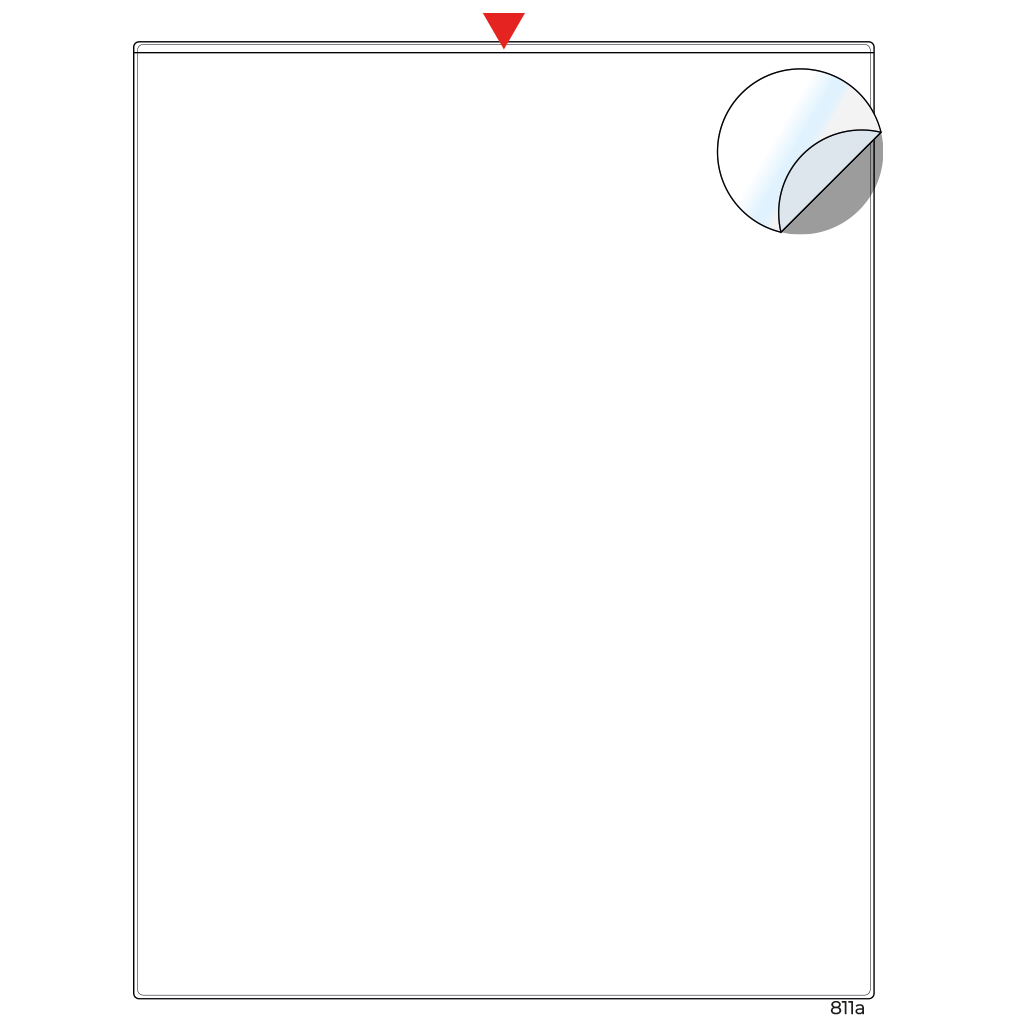
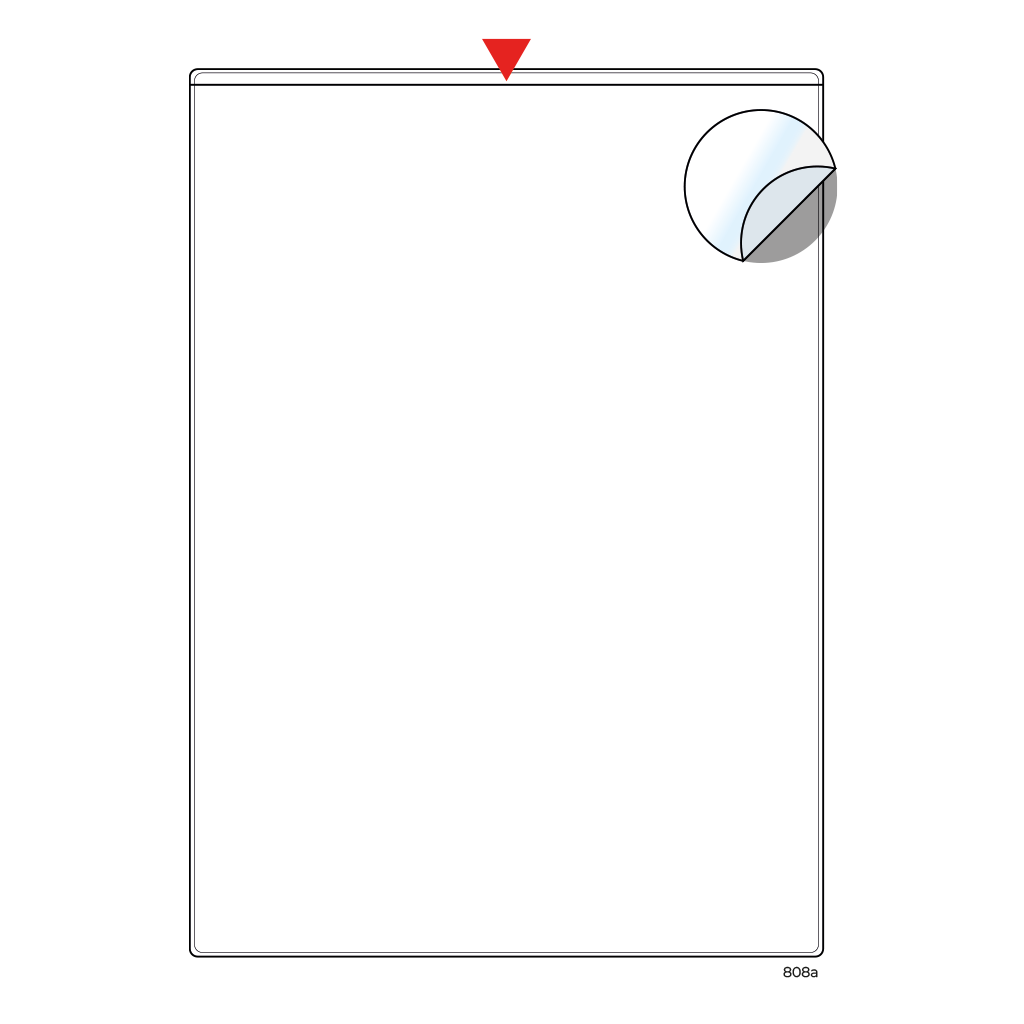
A clear vinyl pocket with a permanent adhesive back and a peel-off liner. Open on one edge, sized to a document. The vinyl protects against handling, dust and moisture; the pocket lets the document be swapped without residue on the wall, the crate or the door.
Two families cover most needs: adhesive pockets, which stick directly to the surface, and standard pockets without adhesive, for slipping into binders, sleeves or fixtures.
Where they earn their place
- Logistics. Packing slips and bills of lading on totes, crates and pallets — legible, weatherproof enough for a loading dock, removable at destination.
- Manufacturing. Work orders and travellers that stay with the job through every station.
- Healthcare and labs. Protocols and charts at the point of care, wipeable, changed as revisions come.
- Fleet and equipment. Registration, inspection dates and permits inside a door or on a machine housing.
- Retail and facilities. Shelf signage, price cards, room schedules, safety notices — changed weekly, without tape marks.
Choosing a size
Order the pocket, not the paper. A document should slide in with a little clearance and no more; a pocket cut generously lets the sheet drift and read crooked. The common formats — 1 × 4, 3 × 5, 4 × 6, 5 × 7, 6 × 9, 8½ × 11, 8½ × 14, 9 × 12, 11 × 17, 12 × 18 — exist because they match the documents people actually print, and each is available with the opening on the short or the long side.
Opening orientation matters more than people expect: a top-opening pocket holds a sheet against gravity, a side-opening pocket is faster to change with one hand.
Surface is the variable that decides everything
Adhesive performance is about the surface, not the pocket. Smooth, clean, room-temperature and non-porous is ideal: painted metal, sealed wood, glass, rigid plastic. Difficult surfaces are the powder-coated textures, low-energy plastics such as polypropylene and polyethylene, anything dusty or oily, and anything below about 10 °C at the moment of application.
Clean with isopropyl alcohol, not a household degreaser — silicone residue defeats any adhesive. Apply at room temperature, press firmly from the centre out, and give it 24 hours before loading a heavy insert.
Small details that pay off
- A thumb notch makes a pocket that is used daily much faster to change.
- A hanging hole turns a pocket into a tag when a surface cannot be adhered to at all.
- A heavier gauge is worth it wherever the pocket is handled rather than only read.
- Ordering one size larger than the document, rather than trimming the document, keeps the print legible.
Nobody specifies a display system and hopes for an adhesive pocket. But the pocket is often the answer — and unlike a printed sign, it is still right after the document changes.